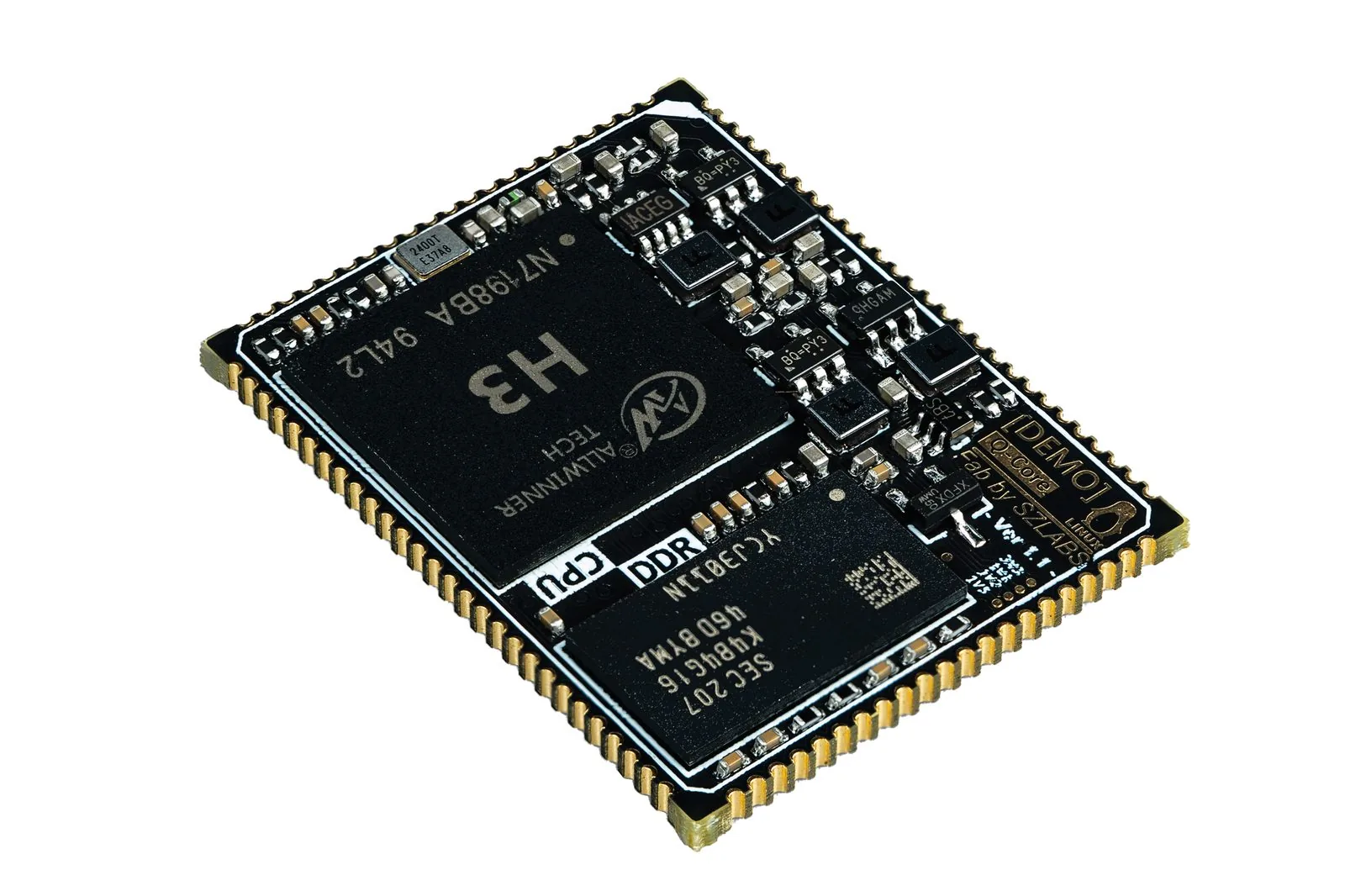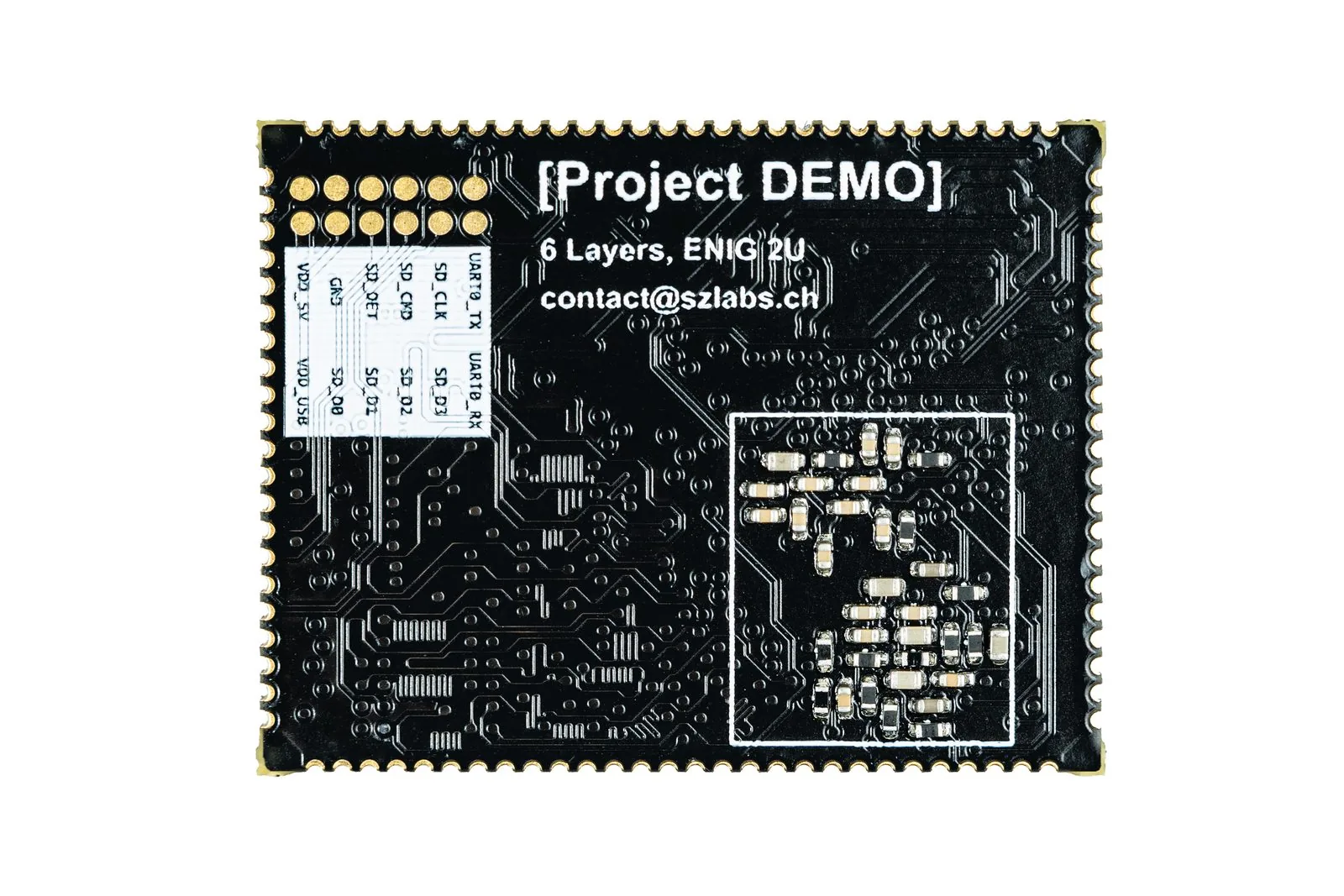
When the client approached us, the project was already under a tight development schedule. They needed PCBA prototypes and custom cables for direct PCB connection, but the delivery window was short. The samples had to arrive at the designated address within 10 working days from order confirmation, including production and logistics time.
At the beginning of the project, we first reviewed the expected prototype scope with the client. The PCBA was still in the design and layout stage, but it was already clear that some components would have longer procurement lead times. Waiting until the PCB layout was fully completed before starting component sourcing would have created a serious risk of delay.
To keep the schedule under control, we worked with the client before the layout was finalized and confirmed the key components that needed to be purchased in advance. This allowed us to start procurement early while the engineering work was still ongoing. By the time the PCB layout was completed, the required components and production materials were already prepared or on track, so the project could move directly into prototyping without unnecessary waiting time.
In parallel, we also coordinated the custom cable samples that would connect directly to the PCB. Since the cables and PCBA had to be tested together, it was important that both parts followed the same schedule. We arranged the cable prototyping alongside the PCBA process, so the client received a complete prototype set rather than separate deliveries at different times.
The final PCBA samples and custom cable samples were delivered to the client's designated address within 10 working days from order confirmation. For the client, this meant the development team could continue testing and validation without losing time because of sourcing, production, or logistics delays.
After the urgent prototype stage, we continued to support the client by setting up long-term component storage for future projects and repeat orders. This included maintaining stable stock, monitoring inventory levels, and providing alerts for low-stock or end-of-life components. By doing this, the client could reduce the risk of future shortages and respond faster when the next development or production requirement appeared.
This case shows how early involvement in the project process can make a practical difference. By joining before the PCB layout was completed, arranging advance component procurement, coordinating PCBA and cable prototyping together, and supporting long-term component management, we helped the client reduce schedule risk and keep a time-critical electronics development project moving forward.